


How to Take CBD and THC for Sleep, Stress & Pain (What Works, When & How Much)
Quick answer: How CBD or THC feels depends on the cannabinoid, product format, serving size and individual response. CBD is non-intoxicating but can cause side effects and medication interactions. THC is intoxicating and may impair coordination, judgment and reaction time. Edibles take longer to work than inhaled products, so taking more too soon increases the risk of unwanted effects.
CBD vs. THC: The Most Important Difference
CBD, or cannabidiol, does not normally produce a “high.” People commonly use it as part of sleep, calm or recovery routines, but research does not establish ordinary retail CBD as a proven treatment for insomnia, anxiety or pain.
THC, or tetrahydrocannabinol, is intoxicating. It may change mood, perception, coordination, memory and reaction time. Some adults find THC relaxing, while others experience anxiety, dizziness, rapid heartbeat, paranoia or excessive sedation.
| Consideration | CBD | THC |
|---|---|---|
| Intoxicating? | No | Yes |
| Can cause drowsiness? | Yes | Yes |
| Can impair driving? | Not normally intoxicating, but unwanted effects are possible | Yes |
| Drug-test concern | Possible when a product contains THC | Yes |
| Medication interactions | Possible and sometimes significant | Possible, especially with sedating substances |
How Long Do CBD and THC Take to Work?
Timing depends heavily on the product format, whether food was recently eaten, the cannabinoid content and the individual. Product-label directions should take priority over generalized timing estimates.
Gummies, Edibles and Beverages
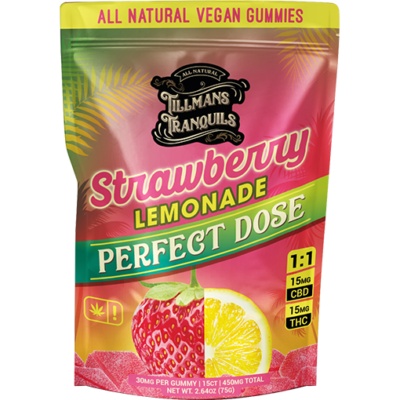
Edible THC may take approximately 30 minutes to two hours to produce noticeable intoxicating effects. The full effect may take longer, and the experience generally lasts longer than inhaled cannabis.
The delayed onset is important: taking another serving because “nothing is happening” can result in an unexpectedly strong experience later.
Oils and Tinctures
Oils may be swallowed directly or held under the tongue before swallowing. Timing varies substantially according to the formulation and how the product is used. Do not assume every tincture works immediately, and follow its specific label directions.
Inhaled Products
Inhaled cannabinoids are generally felt within minutes and wear off sooner than edibles. Smoking and vaping can expose the lungs to harmful substances, and vaping products may carry additional product-quality and respiratory risks.
Topicals
Topicals are applied externally to a particular area. They should not be assumed to work like swallowed CBD or THC, and research on commercially available cannabinoid topicals remains limited. Do not apply them to broken skin unless the label specifically permits it.
How Much CBD or THC Should You Take?
There is no universal serving that is appropriate for every person, product or goal. Cannabinoid amounts can vary widely, and two products with similar-looking packaging may contain very different levels of CBD or THC.
A more cautious approach is to:
- Confirm the milligrams per serving, not merely per package.
- Begin with the smallest clearly labeled serving appropriate to that product.
- Allow enough time to understand the effect before considering more.
- Do not combine multiple new cannabinoid products during the same first trial.
- Record the product, serving, time taken and any unwanted effects.
- Stop using the product if it causes significant anxiety, dizziness, nausea, confusion or another concerning reaction.
For more help understanding labels and serving sizes, visit the Cbdeeme Dosing Guides.
How People Approach CBD or THC for Sleep
Some consumers choose longer-lasting edibles for nighttime routines, but research on cannabinoids for sleep remains incomplete. THC may initially feel sedating, yet it can also cause impairment, anxiety or next-day effects. CBD can cause drowsiness in some users and may interact with sleep medications.
Persistent insomnia, loud snoring, breathing interruptions or severe daytime sleepiness should be discussed with a healthcare professional rather than self-treated with cannabinoids.
Browse educational and shopping resources on our Sleep page.
How People Approach CBD or THC for Stress and Calm
CBD is non-intoxicating and may be a more cautious choice for someone seeking to avoid a high. However, evidence for CBD and anxiety remains limited, and it should not replace professional treatment.
THC can feel relaxing to some people but may worsen racing thoughts, panic or paranoia in others. People who are already anxious, inexperienced with THC or sensitive to intoxicating products should use particular caution.
Read more in our CBD and Mental Wellness guide and CBD vs. THC for Anxiety comparison.
How People Approach CBD or THC for Discomfort
Evidence for cannabinoids and pain is mixed. Certain standardized THC-containing medical products may provide small benefits for some adults with chronic or neuropathic pain, but evidence for retail CBD alone is more limited.
Consumer reports of improved comfort do not establish that a gummy, tincture or topical treats an injury, arthritis or another medical condition. Severe, unexplained, sudden or worsening pain should be medically evaluated.
See our complete CBD vs. THC for Pain comparison.
Important Safety Checks Before Using CBD or THC
- Review an independent certificate of analysis for CBD, THC and contaminant results.
- Do not assume “hemp-derived” means THC-free or non-intoxicating.
- Do not drive, operate machinery or perform safety-sensitive work after using THC.
- Avoid combining cannabinoids with alcohol or other sedating substances.
- Ask a doctor or pharmacist about prescription and over-the-counter medication interactions.
- Keep gummies, beverages and other products securely away from children and pets.
- Avoid CBD and THC during pregnancy or breastfeeding unless specifically directed by a qualified healthcare professional.
Frequently Asked Questions
Should a beginner choose CBD or THC?
CBD is non-intoxicating and generally presents less risk of impairment or panic. THC produces a high and may be unsuitable for someone who must drive, work, avoid drug-test risk or remain fully alert.
How long should I wait before taking more of an edible?
Edible THC can take up to two hours to produce noticeable intoxicating effects, and the full experience may take longer. Follow the product directions and do not take more simply because the effect is delayed.
Can CBD make you sleepy?
Yes. CBD may cause drowsiness or changes in alertness in some people, particularly when combined with alcohol, sleep aids or other sedating medications.
Can CBD or THC be taken with prescription medication?
Do not assume the combination is safe. CBD and THC may change how certain medications work or increase side effects. Ask a doctor or pharmacist who knows your medication list.
Will CBD or THC show up on a drug test?
THC can produce a positive drug-test result. Full-spectrum CBD and mislabeled products may also contain enough THC to create risk. No CBD product can guarantee that a consumer will pass a drug test. Read our complete drug-testing guide.
Can CBD or THC treat insomnia, anxiety or chronic pain?
Ordinary retail CBD and THC products should not be presented as proven treatments or replacements for professional care. Research varies by condition, product, cannabinoid combination and study design.
Sources and Important Safety Information
- CDC: About CBD
- CDC: Cannabis and Poisoning, Including Delayed Edible Effects
- CDC: Cannabis and Chronic Pain
- NIH NCCIH: Cannabis and Cannabinoids
- FDA: What to Know About Cannabis and CBD Products
This page provides general educational information and is not medical advice. CBD and THC products are not intended to diagnose, treat, cure or prevent any disease. Consult a qualified healthcare professional before using cannabinoids, particularly if you take medication or have a medical condition.