


Oct
Learn about dosing CBD and THC for Sleep here.
Shop for Sleep Products by gummy, oils, tunctures, vapes, flower or topical here.
Estimated reading time: 8 minutes
Quick Take
Yes — many people use CBD and THC together, and for some people they work well in the same routine. The key is getting the timing and dose right (especially with gummies), choosing tested products, and not assuming “more” will feel better.
Table of Contents
- Can you take CBD and THC together?
- Common myths that confuse people
- CBD vs THC for sleep
- How to build a smarter CBD + THC routine
- Best practices before you buy
- Related learning
- FAQ
Can You Take CBD and THC Together? A Beginner Guide to a Smarter Routine
Short answer: yes, you can. In fact, a lot of people eventually end up using both — not because they want to get high, but because they’re trying to build a routine that actually fits real life. Some want a calmer daytime option and a stronger evening option. Others want to take the edge off without overdoing it.
And if you run a hemp shop or talk to people about CBD, you’ve heard the same thing I have: “I don’t mess with that stuff — I don’t want to get high.” That reaction is still everywhere. It’s understandable, but it also blends together CBD, hemp-derived THC, dosing, and legality in a way that makes it harder for consumers to make good decisions.
This guide clears that up in plain English — what these cannabinoids do, how they can fit in the same routine, what to watch for with edibles, and how to avoid the classic beginner mistake: taking too much too soon.
Can you take CBD and THC together?
Yes. Many people use CBD and THC in the same day or even the same product. But there’s an important nuance: the experience depends on dose, ratio, timing, and format (gummy vs tincture vs vape).
A low-dose CBD + THC gummy can feel very different from a high-dose THC edible — and a high-CBD product doesn’t automatically mean “no THC effect.” In fact, oral products can interact in ways people don’t expect, which is one reason beginners should start lower than they think they need.
The practical takeaway: combining cannabinoids is normal — just don’t treat it casually the first time.
Common myths that confuse people
Myth #1: “If it has THC, it’s basically the same as marijuana.”
Not necessarily. Hemp-derived products, state-legal cannabis products, and CBD-only products are not all the same thing. Packaging, potency, and legal status vary a lot, and rules can change by state. Consumers need to look at the label, the amount of THC per serving, and the lab report — not just the front of the package.
Myth #2: “CBD cancels out THC.”
Not exactly. People often assume CBD is a simple “off switch” for THC. Real life is messier. Depending on the dose and product, CBD may change how THC feels — but it does not guarantee a lighter experience. That’s especially true with edibles, where onset is delayed and effects can build slowly.
Myth #3: “If I don’t feel anything in 30 minutes, I should take more.”
This is the mistake that gets people. Gummies and other edibles can take a while to kick in, and when they finally do, they can hit harder and last longer than expected.
CBD vs THC for sleep: what people usually notice
If your main question is sleep, the better question is usually not “CBD or THC?” — it’s “what kind of sleep problem am I trying to solve?”
Some people use THC because it feels more directly relaxing or sedating in the evening. Others prefer CBD because they’re trying to settle stress, racing thoughts, or physical discomfort without a more noticeable buzz. A lot of shoppers eventually land on a combination approach: CBD-forward for daytime or wind-down, and a balanced CBD + THC option for nights when they need more support.
CBN also comes up a lot in sleep conversations. Early research is promising, but it’s not magic, and it’s not a replacement for dose control. If a product has CBN, treat it like any other cannabinoid blend: read the per-serving amounts and test it on a low-stakes night.
Bottom line: don’t shop by marketing buzzwords alone. Shop by your goal (fall asleep faster, stay asleep longer, wake up less groggy) and by serving size.
How to build a smarter CBD + THC routine
You do not need a complicated “biohacker stack” to make this work. Keep it simple and test one variable at a time.
1) Start with one format, not three
If you’re testing gummies, stick with gummies. Don’t combine a gummy, tincture, and vape on day one and then wonder what caused what.
2) Use a daytime / nighttime split
A practical beginner setup looks like this:
- Daytime: CBD-only or CBD-forward product (especially if you still need to work, drive, or stay sharp)
- Evening: low-dose THC or balanced CBD + THC product
3) Watch the mg per serving — not the total mg on the package
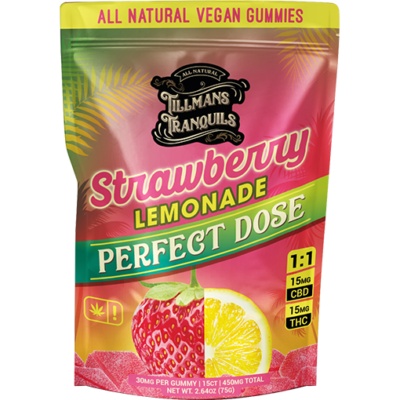
A bag might look “low strength” on the front but still contain a bigger per-piece serving than you expected. The number that matters most is what you’re taking right now, not the total in the pouch.
4) Track how long it takes to kick in
This matters more than people think. If you’re using gummies, onset can be delayed — and that’s exactly why some people accidentally double-dose. Write down:
- What you took (CBD mg / THC mg)
- What time you took it
- When you first felt it
- How long it lasted
- How you felt the next morning
5) Adjust one thing at a time
If you tweak your routine, change only one variable: dose, ratio, or timing. Otherwise, you won’t know what actually helped.
Best practices before you buy (or re-buy)
Start low and go slow. Yes, everybody says it. They say it because it works.
Check the COA (lab report). Look for a current third-party test that shows cannabinoid content and basic safety screening. If a brand makes big claims but hides the lab report, move on.
Don’t assume “hemp-derived” means “light.” A hemp-derived THC product can still feel strong, especially if it’s an edible.
Be honest about your schedule. Testing a new THC product before a workday, a long drive, or a family event is a terrible experiment.
Know your risk tolerance. If you’re subject to workplace drug testing, THC products can be a problem even when they’re hemp-derived.
Who this routine is best for
- People who already use CBD and want a stronger evening option
- People who feel “nothing” from CBD-only products and want to test a low-dose THC blend carefully
- Shoppers who want a more intentional routine instead of random trial-and-error
Who should slow down (or ask a pro first)
- Anyone taking medications that may interact with cannabinoids
- Anyone who is pregnant or breastfeeding
- Anyone with a history of unwanted reactions to THC (panic, rapid heart rate, dizziness)
- Anyone who needs to stay fully unimpaired
Quick consumer checklist before trying CBD + THC together
- Choose one product format (gummy or tincture)
- Read the mg per serving (CBD + THC)
- Take it on a low-pressure night
- Wait long enough before taking more
- Track your response
- Adjust slowly
Related Learning
- How long do CBD or THC gummies take to kick in?
- Dosing Guides
- THC vs CBD Explained
- What exactly is CBD?
- What is Delta-9 THC?
- What’s legal (and what isn’t)?
Authoritative Sources
Medical disclaimer
This article is for educational purposes only and is not medical advice. If you have a health condition, take medications, or have concerns about cannabinoid use, talk with a qualified healthcare professional before changing your routine.
Frequently Asked Questions
Can I take CBD and THC together on the same day?
Yes. Many people use both in the same day. The key is starting low, paying attention to mg per serving, and testing timing carefully (especially with edibles).
Does CBD cancel out THC?
Not exactly. CBD may change how THC feels, but it is not a guaranteed “off switch.” The effect depends on the product, dose, ratio, and whether you’re using an edible, tincture, or another format.
What’s a good CBD:THC ratio for beginners?
There isn’t one perfect ratio for everyone, but beginners usually do better with lower THC servings and a slow testing approach. Start with a conservative serving and adjust one variable at a time.
Can CBD and THC work better for sleep than CBD alone?
For some people, yes — especially in the evening. But “better” depends on your sleep issue, your tolerance, and the dose. Start low and track how you feel the next morning, not just at bedtime.
Can hemp-derived THC still feel strong?
Absolutely. “Hemp-derived” does not automatically mean mild. Edibles in particular can feel stronger than expected if you take too much or redose too soon.
Related Posts
- What to Expect: How Long Do CBD or THC Gummies Take to Kick In?
- Edibles 101: What New Buyers Should Know Before Trying THC or CBD Gummies
About the author: Toby Streett is the founder of Cbdeeme. He writes practical, consumer-first education to help people make smarter decisions about CBD, THC, and hemp products without the hype.
